
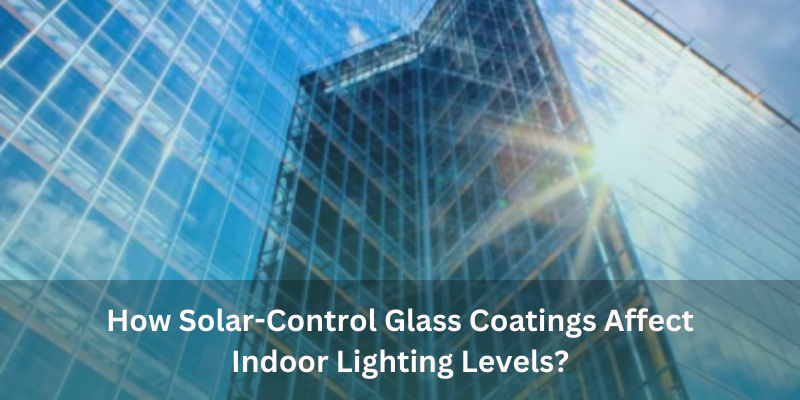
How Solar-Control Glass Coatings Affect Indoor Lighting Levels?
Natural light is one of the most valuable resources in any building. It influences comfort, productivity, aesthetics, and even energy consumption. However, unmanaged sunlight can also introduce glare, overheating, and uneven lighting conditions. This is where solar-control glass coatings play an important role.
In this article, we explain how solar-control glass coatings affect indoor lighting levels, what metrics matter most, and how you can strike the right balance between daylight, comfort, and thermal performance. Whether you are designing a new building or upgrading existing glazing, this guide will help you make informed decisions with confidence.
Why Indoor Lighting Levels Matter in Modern Buildings
Indoor lighting is no longer just about illumination. Today, it directly affects:
- Visual comfort and eye health
- Occupant productivity and well-being
- Cooling and lighting energy consumption
- Overall building performance and sustainability
Excessive sunlight can create harsh glare and hot spots, while insufficient daylight increases reliance on artificial lighting. The challenge is not letting in more light, but letting in the right amount of light consistently and comfortably throughout the day.
This is where glazing selection becomes a strategic decision rather than a purely aesthetic one.
What Are Solar-Control Glass Coatings?
Solar-control glass coatings are thin, transparent layers applied to glass surfaces to regulate how sunlight enters a building. These coatings selectively filter solar radiation, reducing unwanted heat while still allowing visible light to pass through.
Unlike tinted or reflective glass of the past, modern solar-control coatings are engineered for precision. They are designed to:
- Reduce solar heat gain
- Control glare
- Maintain natural daylight
- Improve indoor comfort without darkening interiors
By managing how different wavelengths of sunlight interact with glass, these coatings help create well-lit indoor environments that remain thermally stable.
Understanding Visible Light Transmission (VLT)
To understand how solar-control glass coatings affect indoor lighting, we need to focus on one key metric: Visible Light Transmission (VLT).
VLT refers to the percentage of visible light that passes through a glass surface. For example:
- A glass with 70% VLT allows 70% of visible daylight indoors
- A glass with 40% VLT allows less daylight but reduces glare and brightness
VLT is critical because it directly determines how bright a space will feel during daytime hours.
Why VLT Matters to You
Choosing the right VLT level helps you:
- Reduce dependency on artificial lighting
- Maintain consistent daylight across interiors
- Avoid excessive contrast between windows and walls
Solar-control glass coatings are designed to optimize VLT allowing sufficient daylight while minimizing discomfort.
How Solar-Control Glass Coatings Influence Natural Daylight Indoors
One common misconception is that solar-control coatings significantly darken interiors. In reality, their primary function is selective filtering, not blocking light altogether.
Here is how they influence indoor daylight:
Filtering, Not Blocking, Sunlight
Solar-control coatings reduce infrared and ultraviolet radiation more aggressively than visible light. This means you experience:
- Lower heat penetration
- Reduced glare
- Preserved daylight quality
As a result, interiors feel naturally bright without the harsh intensity of direct sun.
Improved Light Distribution
By minimizing glare and hotspots near windows, these coatings help distribute light more evenly across the space. This creates:
- Better visual balance
- Fewer shadowed areas
- More usable daylight deeper into the room
Daylight Quality vs. Daylight Quantity
When evaluating indoor lighting, brightness alone is not enough. Daylight quality is just as important as quantity.
Solar-control glass coatings help improve daylight quality by influencing:
- Glare control: Reducing excessive contrast between bright windows and darker interiors
- Uniformity: Creating smoother transitions of light across surfaces
- Visual comfort: Minimizing eye strain in work and living environments
For offices, this can mean improved screen visibility. For residential spaces, it means softer, more comfortable daylight throughout the day. For retail environments, it ensures products remain clearly visible without harsh reflections.
Balancing Solar Heat Reduction and Indoor Light Availability
A key concern for many building owners is whether reducing heat gain also reduces indoor brightness. With older glazing technologies, this trade-off was often unavoidable. Today, that is no longer the case.
Modern solar-control glass coatings are engineered to deliver:
- High visible light transmission
- Low solar heat gain coefficient (SHGC)
- Consistent performance across changing sun angles
This balance allows you to control indoor temperatures without sacrificing daylight. In warm climates, this is particularly important, as it helps reduce cooling loads while maintaining bright interiors.
How Building Orientation Affects Lighting Outcomes
The effectiveness of solar-control coatings on indoor lighting also depends on building orientation.
- East- and west-facing façades: These receive low-angle sunlight, which often causes glare. Coatings here help soften light while maintaining visibility.
- South-facing façades: These experience strong solar exposure throughout the day. Proper coating selection ensures heat control without dimming spaces.
- North-facing façades: These typically receive indirect daylight, where higher VLT coatings can maximize usable light.
When we evaluate glazing solutions, we always consider orientation as part of a holistic daylight strategy.
Choosing the Right Solar-Control Coating for Your Lighting Needs
Not all solar-control glass coatings perform the same way. Selecting the right solution requires aligning technical performance with how your space is actually used.
We recommend evaluating the following factors:
- Purpose of the space: Offices, homes, hospitals, and retail spaces all have different lighting requirements
- Desired brightness levels: Some environments benefit from higher VLT, while others require controlled illumination
- Glare sensitivity: Workspaces and digital environments often need stronger glare reduction
- Climate conditions: Heat intensity and sunlight duration influence coating performance
Working with experienced glass coatings experts ensures these factors are assessed correctly before finalizing specifications.
Applications Across Different Building Types
Residential Buildings
In homes, solar-control coatings help maintain bright interiors without excessive heat or fading of furnishings. Living areas feel open and naturally lit, while bedrooms benefit from reduced glare and thermal comfort.
Commercial Offices
Office environments rely heavily on visual comfort. By improving daylight quality and reducing glare, solar-control glass coatings support productivity and reduce dependence on artificial lighting during daytime hours.
Retail and Showrooms
Controlled daylight enhances product visibility while preventing color distortion and excessive brightness. Customers experience a more comfortable and inviting space.
Institutional Buildings
In hospitals, schools, and public buildings, consistent daylight improves comfort and usability while supporting energy efficiency goals.
The Role of Glass Coatings Experts in Optimizing Lighting Performance
Selecting glazing solutions based solely on appearance or generic specifications often leads to suboptimal results. This is where working with glass coatings experts makes a measurable difference.
Experts help you:
- Analyze daylight and heat performance together
- Match coatings to building orientation and usage
- Avoid over-darkening or under-performing glass
- Achieve long-term comfort and efficiency goals
By taking a performance-driven approach, you ensure that indoor lighting levels remain comfortable, functional, and energy-efficient throughout the building’s lifecycle.
Long-Term Impact on Energy and Comfort
Beyond immediate visual comfort, solar-control glass coatings contribute to long-term building performance by:
- Reducing artificial lighting demand
- Lowering cooling energy consumption
- Enhancing occupant satisfaction
- Supporting sustainable design objectives
These benefits compound over time, making glazing one of the most impactful elements in daylight and energy management strategies.
Key Takeaways
- Solar-control glass coatings regulate daylight without darkening interiors
- Visible Light Transmission (VLT) is the primary factor affecting indoor brightness
- Daylight quality (glare control and uniformity) is as important as brightness
- Modern coatings balance heat reduction with light availability
- Building orientation and usage must guide coating selection
- Working with glass coatings experts ensures optimal lighting outcomes
Heatcure has established itself as the best glass coating expert in India, delivering proven solar solutions. Book an appointment today to upgrade comfort, efficiency, and performance for your home or workplace.
Comment (0)