
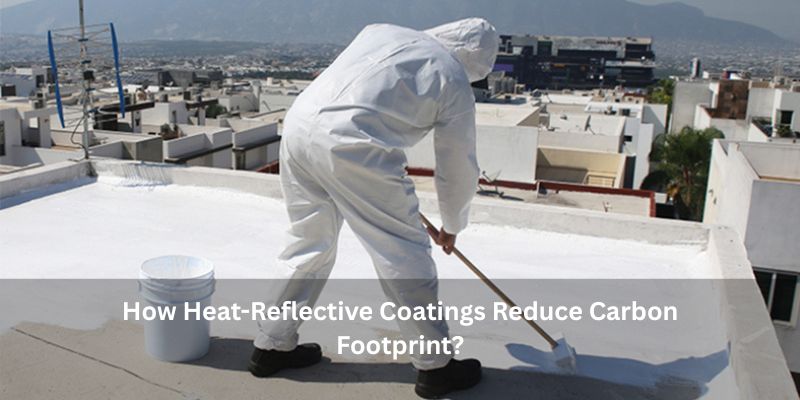
How Heat-Reflective Coatings Reduce Carbon Footprint?
Sustainability and energy efficiency are no longer optional but important in shaping our carbon footprints. Residential and commercial structures consume massive amounts of energy, especially for heating and cooling. This demand directly translates into higher greenhouse gas emissions
One innovative and cost-effective solution to this challenge is the use of heat-reflective coatings in Dubai. These advanced coatings are not just a layer of paint they are a smart technology that helps reduce energy usage, lower carbon emissions, and create a cooler, healthier environment.
What Are Heat-Reflective Coatings?
Heat reflective coatings, often known as cool roof or cool wall coatings, are specially designed paints that reflect solar radiation instead of absorbing it. Unlike ordinary coatings, they use infrared-reflective pigments that bounce back a large portion of sunlight, including harmful ultraviolet (UV) and infrared (IR) rays.
At the same time, these coatings have high thermal emittance, which means they release absorbed heat efficiently. The result? Surfaces stay cooler, even under intense sunlight. This directly translates into cooler interiors, less strain on air conditioners, and lower energy bills.
How They Reduce Energy Use & Carbon Footprint?
Lower Cooling Demand
By keeping surfaces cooler, heat-reflective coatings dramatically reduce the need for artificial cooling. Research and real-world applications have shown:
- Up to 11–27% reduction in peak cooling loads for air-conditioned buildings.
- Indoor temperatures drop by 1.2–3.3 °C in non-air-conditioned spaces.
- Overall energy used for cooling can be reduced by as much as 30%, depending on climate and exposure.
- Roof and wall surfaces coated with reflective paint can remain 8.7 °C to 34 °C cooler, translating into 13–54% lower surface temperatures.
Carbon Emission Reductions
When energy consumption drops, so do carbon emissions. Air conditioners and cooling systems are often powered by fossil fuels. Less energy use means fewer greenhouse gases released into the atmosphere. On a city-wide scale, widespread adoption of reflective coatings can have a significant impact on air quality and climate goals.
Broader Environmental & Urban Benefits
1. Mitigating the Urban Heat Island Effect
Urban areas are notorious for being hotter than surrounding rural areas due to concrete, asphalt, and other heat-absorbing materials. This is known as the Urban Heat Island (UHI) effect. Reflective coatings help counteract this by reducing surrounding air temperatures by up to 2 °C. People in such areas often experience a 1.5 °C lower perceived temperature, creating more comfortable living conditions.
2. Supporting Public Health
By cooling down both buildings and cities, reflective coatings reduce the risk of heat-related illnesses. Vulnerable populations like children, elderly, and outdoor workers benefit the most from cooler surroundings.
3. Extending Material Life
High temperatures and UV exposure can cause building materials to crack, warp, or fade over time. Heat-reflective coatings act like a shield, extending the lifespan of roofs and walls. This not only saves repair costs but also reduces construction waste, making it a sustainable choice.
Economic & Practical Advantages
A Cost-Effective Green Solution
Compared to other sustainable building technologies, heat reflective coatings are extremely affordable. They typically cost around $20–75 per m², making them accessible for both homeowners and large-scale developers. In many cases, the cost is comparable to standard paints but with far greater energy-saving benefits.
Energy Savings in Hot Climates
In extremely hot regions, reflective coatings can lead to dramatic savings. For example, in certain climates, coatings have shown to reduce HVAC energy usage by up to 23%, which translates into thousands of kilowatt-hours saved annually for large buildings.
Addressing Winter Heating Penalty
Some might argue that reflective coatings reduce heat absorption in winter as well, which could increase heating costs. While this is true in colder climates, the savings during summer usually outweigh the winter penalty. Pairing reflective coatings with good insulation can balance this effect, ensuring year-round efficiency.
Designing for Maximum Effectiveness
Performance Factors
Not all coatings are created equal. The effectiveness of a reflective coating depends on:
- Quality of pigments (high infrared reflectance).
- Thermal emittance levels (ability to release heat).
- Application method (proper layering ensures durability).
Maintenance
Over time, dust and dirt can reduce reflectivity. Simple periodic cleaning helps maintain peak performance and ensures coatings continue to save energy for years.
Aesthetic Flexibility
Gone are the days when reflective coatings were only available in white. Modern technology allows even dark and vibrant shades to be reflective, thanks to infrared-reflective pigments. This means architects and homeowners can enjoy both style and sustainability.
How HeatCure Helps Reduce Carbon Footprints?
HeatCure provides advanced nano-technology coatings that directly target the biggest sources of heat gain rooftops and windows helping reduce electricity use and carbon emissions.
Rooftop Coating: Our high-performance rooftop coating in Dubai reflects up to 85% of solar radiation and keeps surfaces cooler by 5–8 °C. This reduces indoor heat build-up, cuts air-conditioning demand by 20–30%, and delivers long-term energy savings for both residential and commercial properties.
Transparent Window Coating: HeatCure’s liquid transparent coating is applied directly to glass windows. It blocks harmful infrared and UV rays while allowing natural light to pass through, ensuring spaces remain bright but cool. Ideal for homes, offices, and high-rise buildings, it minimizes solar heat gain without altering aesthetics.
Carbon Footprint Impact
By reducing cooling energy needs across rooftops and windows, HeatCure lowers electricity consumption and greenhouse gas emissions. This makes buildings more comfortable, eco-friendly, and aligned with green building standards.
With HeatCure, every building becomes part of the solution delivering comfort, efficiency, and a measurable reduction in carbon footprint.
Conclusion
Heat reflective coatings are more than just a building upgrade they are a climate-friendly solution with multiple benefits. From cutting energy bills and lowering carbon emissions to creating cooler cities and protecting building materials, the advantages are undeniable.
For homeowners, builders, and city planners looking to make a smart, sustainable investment, heat-reflective coatings are among the most practical, affordable, and impactful solutions available today.
At HeatCure, we are committed to delivering high-performance, eco-conscious coating solutions that not only protect your home but also contribute to a healthier planet. By choosing HeatCure, you are choosing innovation, comfort, and sustainability all in one coat.

Comment (0)