
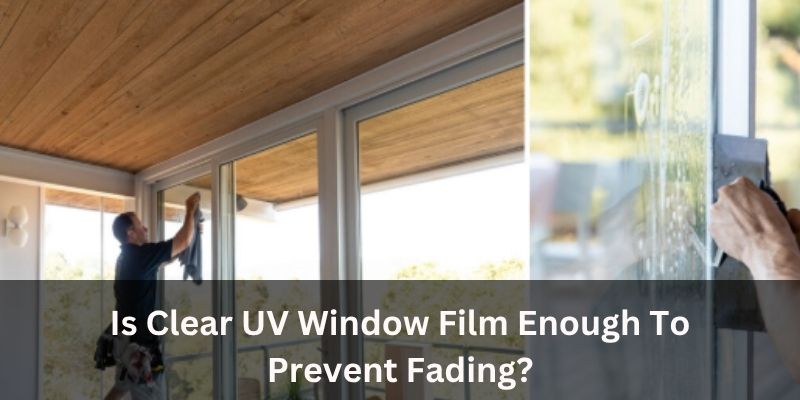
Is Clear UV Window Film Enough To Prevent Fading?
Clear UV window film can significantly reduce fading, but it cannot completely prevent it. Most high-quality films block up to 99% of harmful ultraviolet radiation, which is the leading cause of fading. However, visible light and heat (infrared radiation) still penetrate through the glass, continuing to degrade fabrics, wood, and artwork over time, especially in intense Indian summers.
What Causes Fading Indoors?
Fading is not caused by a single factor. It’s a multi-layered degradation process influenced by light, heat, and material sensitivity.
- UV Radiation (≈40%): The biggest culprit. UV rays break chemical bonds in dyes and pigments.
- Visible Light (≈25%): Even natural daylight contributes to fading over time, especially in bright Indian homes.
- Heat / Infrared Radiation (≈25%): High temperatures accelerate oxidation and material breakdown.
- Material Quality (≈10%): Natural fabrics, wooden furniture, and leather are more vulnerable.
In cities like Delhi or Jaipur, where sunlight intensity is high for most of the year, fading happens faster than global averages, making protection strategies more important.
What is Clear UV Window Film?
Clear UV window film is a transparent protective layer applied to glass surfaces to block ultraviolet radiation without altering visibility. It is widely used across:
- Modern apartments
- Corporate offices
- Retail showrooms
- Art galleries and museums
Unlike tinted or reflective films, clear films are preferred in premium Indian interiors, where maintaining aesthetics (like open views and natural light) is a priority in urban lifestyles.
How Effective Is Clear UV Film Against Fading?
Clear UV films are highly effective, but only within a limited scope.
- Blocks up to 99% of UV rays
- Reduces overall fading by up to 40–50%
- Helps preserve:
- Sofa fabrics
- Curtains
- Wooden flooring
- Paintings
However, fading is not just a UV problem. According to studies in Material Science, visible light and heat continue to damage surfaces even after UV is eliminated.
In Indian summers, where indoor temperatures can rise significantly due to solar heat gain, infrared radiation becomes as damaging as UV exposure, making clear films only a partial solution.
Limitations of Clear UV Window Film
While clear UV film is a strong starting point, it has clear limitations:
- Minimal Heat Rejection: Does not significantly block infrared heat
- No Glare Reduction: Bright sunlight still enters freely
- Partial Fade Protection Only: Visible light continues to degrade materials
- Performance Depends on Glass Type: Single-pane windows common in Indian homes reduce effectiveness
In Indian residential setups (especially standalone houses or builder floors) this limitation becomes more pronounced due to direct sun exposure and lack of insulation standards.
Clear UV Film vs Tinted / Ceramic / Reflective Films
To understand whether clear UV film is enough, you need to compare it with other options:
| Feature | Clear UV Film | Tinted Film | Ceramic Film |
| UV Protection | High | High | High |
| Heat Rejection | Low | Medium | Very High |
| Visibility | 100% Clear | Slightly Dark | Clear |
| Fade Protection | Moderate | Better | Best |
- Tinted films reduce light intensity, slowing fading further
- Ceramic films block both UV and infrared radiation, making them ideal for Indian climates
In cities like Mumbai or Ahmedabad, where heat + humidity amplify damage, ceramic films outperform clear films by a significant margin.
When Is Clear UV Film Enough?
Clear UV film works well in specific scenarios:
- Low sun exposure rooms (north-facing homes)
- Apartments with shaded surroundings
- Basic furniture protection needs
- Homes prioritizing natural daylight aesthetics
It’s also suitable for:
- Rental properties
- Budget-conscious homeowners
- Offices where appearance matters more than thermal comfort
When You Need More Than Clear UV Film
Clear UV film alone is not enough when:
- Your windows face south or west (maximum sun exposure in India)
- You have premium interiors (hardwood, leather, artwork)
- Indoor spaces heat up quickly during summer
- You rely heavily on air conditioning
In these cases, consider:
- Ceramic heat-rejection films
- Layered solutions (films + curtains/blinds)
- Double-glazed or laminated glass
In modern Indian urban living (especially in high-rise apartments) people seek energy efficiency with interior protection. Clear UV film solves only one part of this equation.
Best Use Cases (Practical Scenarios)
Clear UV film performs best in:
- Living rooms with indirect sunlight
- Office cabins with controlled lighting
- Retail displays where visibility is critical
- Entry-level protection for artwork
However, for luxury interiors or sun-facing villas, relying solely on clear film can lead to gradual but noticeable fading within a few years.
Expert Tips to Maximize Fade Protection
To truly protect your interiors in Indian conditions, use a multi-layer strategy:
- Combine window film with curtains or blinds
- Rearrange furniture periodically to avoid uneven fading
- Use UV-resistant fabrics and finishes
- Install films on all sun-facing windows, not just one
The most effective protection is not a single product. But a system combining UV control, heat rejection, and lifestyle adjustments.
Cost vs Value Analysis of UV Films
- Clear UV Film: Affordable, entry-level protection
- Ceramic Film: Higher upfront cost but –
- Better fade protection
- Reduced cooling costs
- Improved comfort
In Indian summers, where AC usage is high, ceramic films often deliver better long-term ROI by reducing both furniture damage and electricity bills.
Final Thoughts
Clear UV window film is a good starting point, but not a complete solution. It effectively blocks UV radiation, but –
- Heat still enters
- Visible light still fades materials
- Indian climate conditions amplify these effects
If your goal is basic protection with clear visibility, clear UV film is enough. But if you want long-term interior preservation and thermal comfort, you need a more advanced solution like ceramic or multi-layer protection.
Your interiors face constant sun exposure, often unnoticed until fading and heat damage become irreversible. With India’s intense summers, basic solutions aren’t enough. HeatCure offers advanced glass coating and rooftop coating systems designed to block heat, reduce UV impact, and protect your living space holistically. From cooler rooms to longer-lasting interiors, HeatCure ensures smarter protection. Get a professional assessment today and upgrade from temporary fixes to long-term comfort and durability.
Comment (0)