
Can Roof Coatings Extend the Lifespan of Your Roof?
Your roof works hard every day. It faces sunlight, rain, wind, and temperature changes. All of which slowly wear it down. Over time, these elements can cause cracks, leaks, and early aging. But there’s a practical way to protect it: applying a roof coating.
Roof coatings are liquid-applied layers that seal, shield, and strengthen your existing roof. They are designed to protect against damage and extend the life of your roof, sometimes by decades. Let’s look at how roof coatings in noida really work, what makes them effective, and when they make sense.
How Roof Coatings Help Roofs Last Longer?
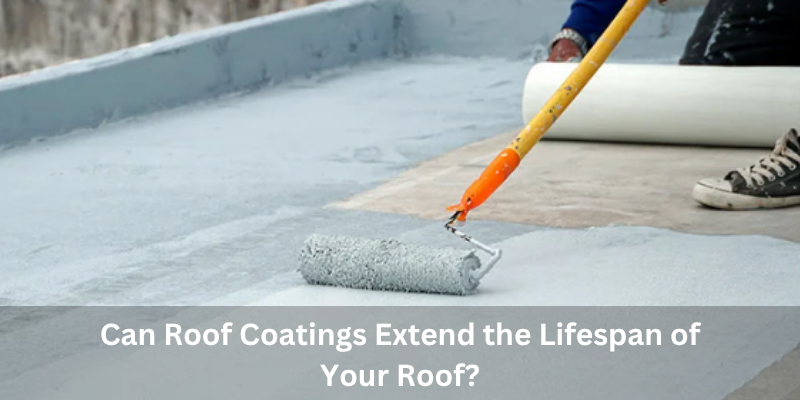
A roof coating works like a protective skin. Once applied, it forms a seamless layer that guards your roof from weather damage, sunlight, and leaks. It doesn’t just sit on top like paint. it bonds with the roof surface and creates an extra barrier of protection.
Protection from Weather and Sun
Sun exposure, heavy rainfall, and fluctuating temperatures are the main causes of roof wear. Coatings are made with special compounds that reflect sunlight, block harmful UV rays, and resist temperature swings. This protection helps slow down the aging process of the roof materials. It also reduces the impact of thermal expansion and contraction, the constant stretching and shrinking that can cause cracks over time.
Some roof coatings are flexible (called elastomeric), allowing them to expand and contract with the roof instead of breaking or peeling. This flexibility is especially useful in places with hot days and cool nights or during freeze-thaw cycles in winter.
Prevents Leaks and Water Damage
A roof coating forms a continuous, waterproof layer that seals small cracks, joints, and seams. This prevents rainwater from seeping into the roof system. When water can’t get in, there’s less risk of leaks, mold, or structural rot. This is especially important for flat roofs that often collect puddles or for older roofs where seams have started to loosen.
Stops Rust and Corrosion on Metal Roofs
Metal roofs face a different problem: rust. When metal comes in contact with moisture and oxygen, it corrodes. A good coating prevents that by keeping water and air out. Silicone and polyurethane coatings are especially effective here because they stay flexible and don’t crack, even when metal expands or contracts in heat.
What Determines How Long It Lasts?
Not every coating automatically adds decades to a roof. The results depend on how healthy the roof is before coating, the type of product used, and the care taken during application.
Condition of the Roof
Coatings are designed to preserve a roof that is still in fair or good shape. If the roof already has large leaks, rotten sections, or trapped moisture, applying a coating is like putting new paint on a crumbling wall. It hides the issue but doesn’t solve it. Before coating, a professional should check that the roof is dry, clean, and structurally sound.
Quality of Application
The coating must be applied correctly to last. This means cleaning the roof thoroughly, fixing any small damages, and sometimes adding a primer to help the coating stick properly. Skipping preparation steps is the main reason coatings fail early. Even the best product won’t work if it doesn’t adhere to the roof surface. Professional installation ensures that every layer bonds well and cures evenly.
Right Product for the Roof
There are several types of roof coatings. Silicone, acrylic, and polyurethane are the most common. Each works best under certain conditions:
- Silicone coatings are ideal for flat roofs that collect standing water. They are extremely waterproof and can last 10 to 20 years.
- Polyurethane coatings are tough and handle foot traffic well, making them suitable for commercial roofs. Their lifespan ranges from 10 to 15 years.
- Acrylic coatings are more affordable and work well on sloped roofs where water drains easily. Depending on climate and maintenance, they can last 5 to 20 years.
Ongoing Maintenance
Roof coatings don’t mean “maintenance-free.” They still need regular inspection to catch small issues early. Dirt, debris, or small punctures should be cleaned or repaired quickly. Many coatings can be refreshed or recoated every 10 years to maintain protection and reflectivity. With care, the roof can stay strong for two decades or more.
Real Benefits Beyond Lifespan
Extending the roof’s life is only one part of the story. Roof coatings also bring financial, energy, and environmental benefits that make them an even smarter choice.
Saves Money
Replacing a roof is expensive and messy. A roof coating, on the other hand, costs about 40–70% less than a full replacement. It also reduces ongoing repair costs since the coating protects against leaks and damage. For businesses, the savings in labor, materials, and downtime can be substantial.
Improves Energy Efficiency
Reflective roof coatings, often called “cool roofs,” bounce back sunlight instead of absorbing it. This can reduce the roof’s surface temperature by 30–50°F. A cooler roof means less heat enters the building, which can lower air-conditioning costs by up to 20–30%. Over time, this makes a noticeable difference in energy bills.
Better for the Environment
By extending the roof’s life, coatings reduce the amount of roofing waste sent to landfills. Many modern formulas also have low volatile organic compounds (VOCs), which means fewer harmful emissions. Lower energy use also means less strain on the planet, making roof coatings a small but meaningful step toward sustainability.
Other Practical Advantages
- Waterproofing: Prevents leaks and damage during heavy rains.
- Improved Appearance: Gives older roofs a clean, uniform finish available in various colors.
- Minimal Disruption: No noisy tear-offs or debris. Buildings can continue operating as usual.
- Fire Resistance: Some coatings add an extra layer of safety by resisting fire spread.
When a Roof Coating Makes Sense?
Roof coatings can be used on both residential and commercial buildings, but they’re especially useful for flat or low-slope roofs, the ones most likely to hold water.
Best Roof Types
- Flat roofs: Common in commercial buildings, where ponding water is a major concern. Silicone coatings work best here.
- Metal roofs: Coatings prevent rust and reflect sunlight.
- Sun-exposed roofs: In hot or tropical regions, reflective coatings help reduce cooling costs.
Good Times to Apply
It’s best to consider a roof coating when:
- The roof shows early signs of aging: small cracks, peeling, or discoloration.
- You notice higher indoor temperatures or rising cooling costs.
- There are light leaks or water stains inside.
- The roof surface is still solid and structurally sound.
Applying a coating early, before serious damage develops, gives the longest-lasting results. Many property owners now include coatings as part of a planned maintenance cycle every 10–15 years.
Conclusion
So, can roof coatings extend the lifespan of your roof? Yes, absolutely. When applied correctly to a roof in good condition, coatings can add 10 to 20 years or more of reliable service.
They protect against sunlight, water, and temperature stress while saving money and improving energy efficiency. They are not a cure for damaged roofs, but they are one of the smartest preventive measures you can take.
With the right product, proper application, and regular care, a roof coating turns your existing roof into a longer-lasting, more efficient, and environmentally friendly part of your building. It’s a simple solution that protects both your roof and your peace of mind.
Protect your roof and lower your cooling costs with HeatCure Rooftop Coating, a long-lasting, weatherproof solution that reflects heat, prevents leaks, and extends roof life.

Comment (0)